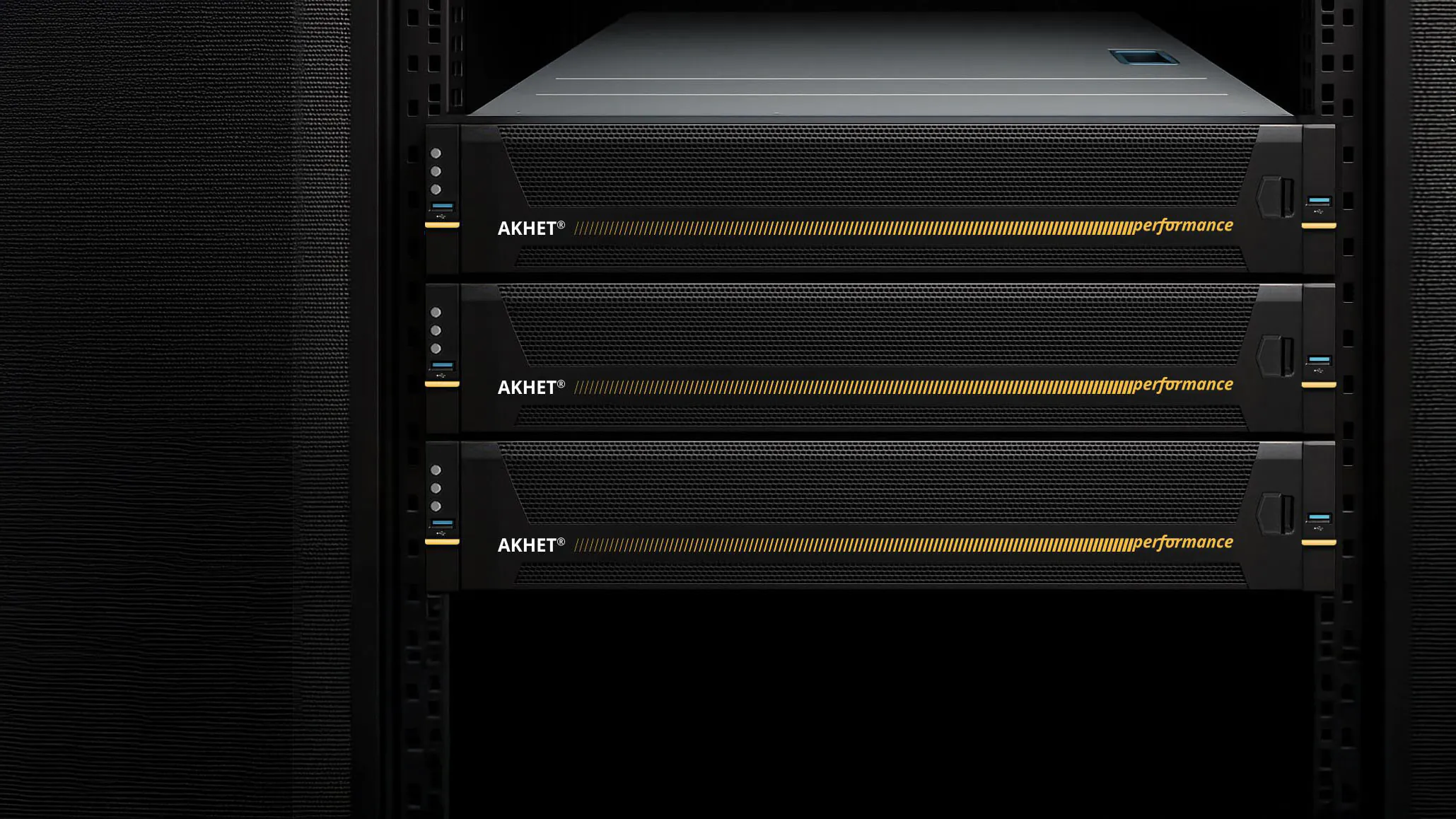
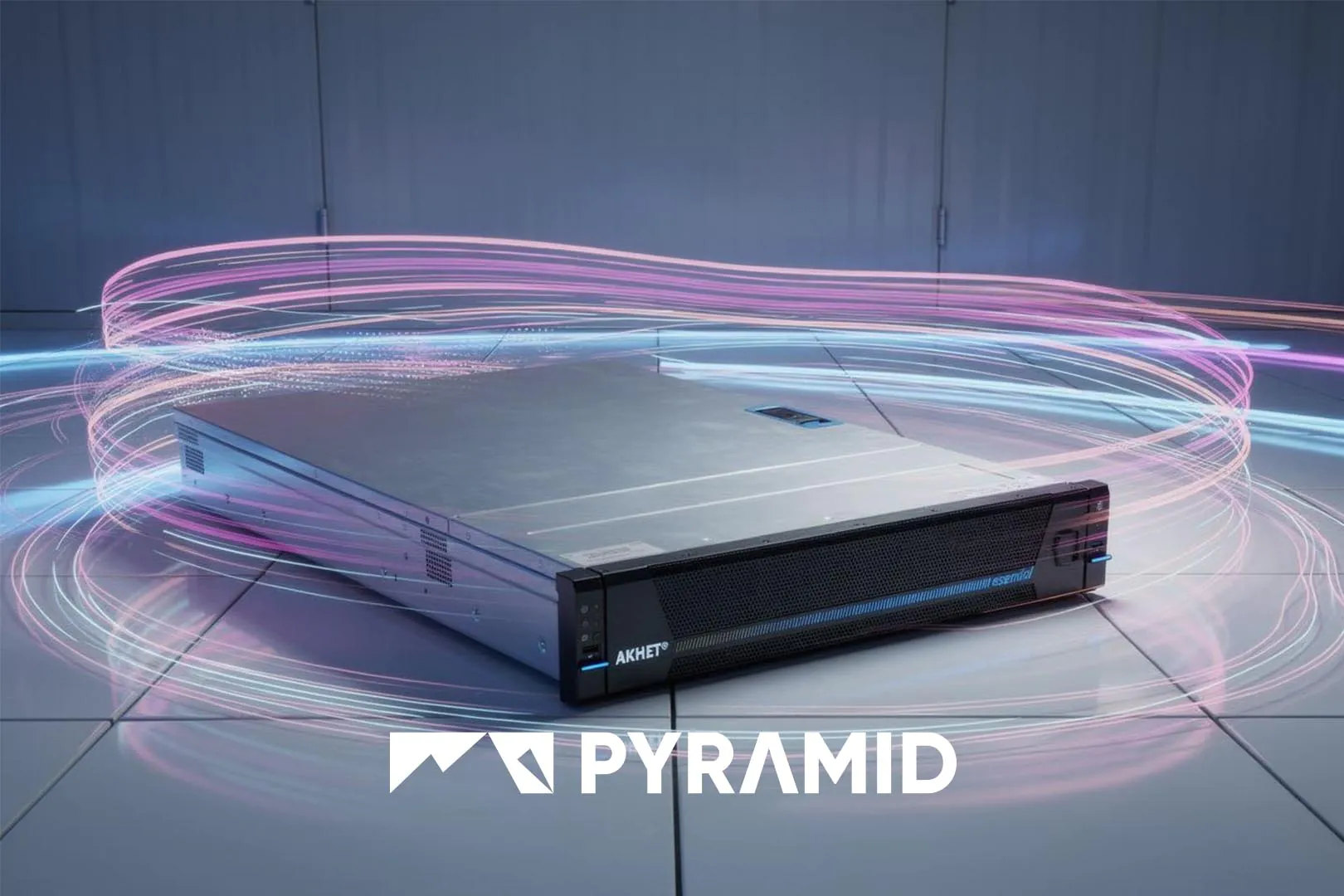
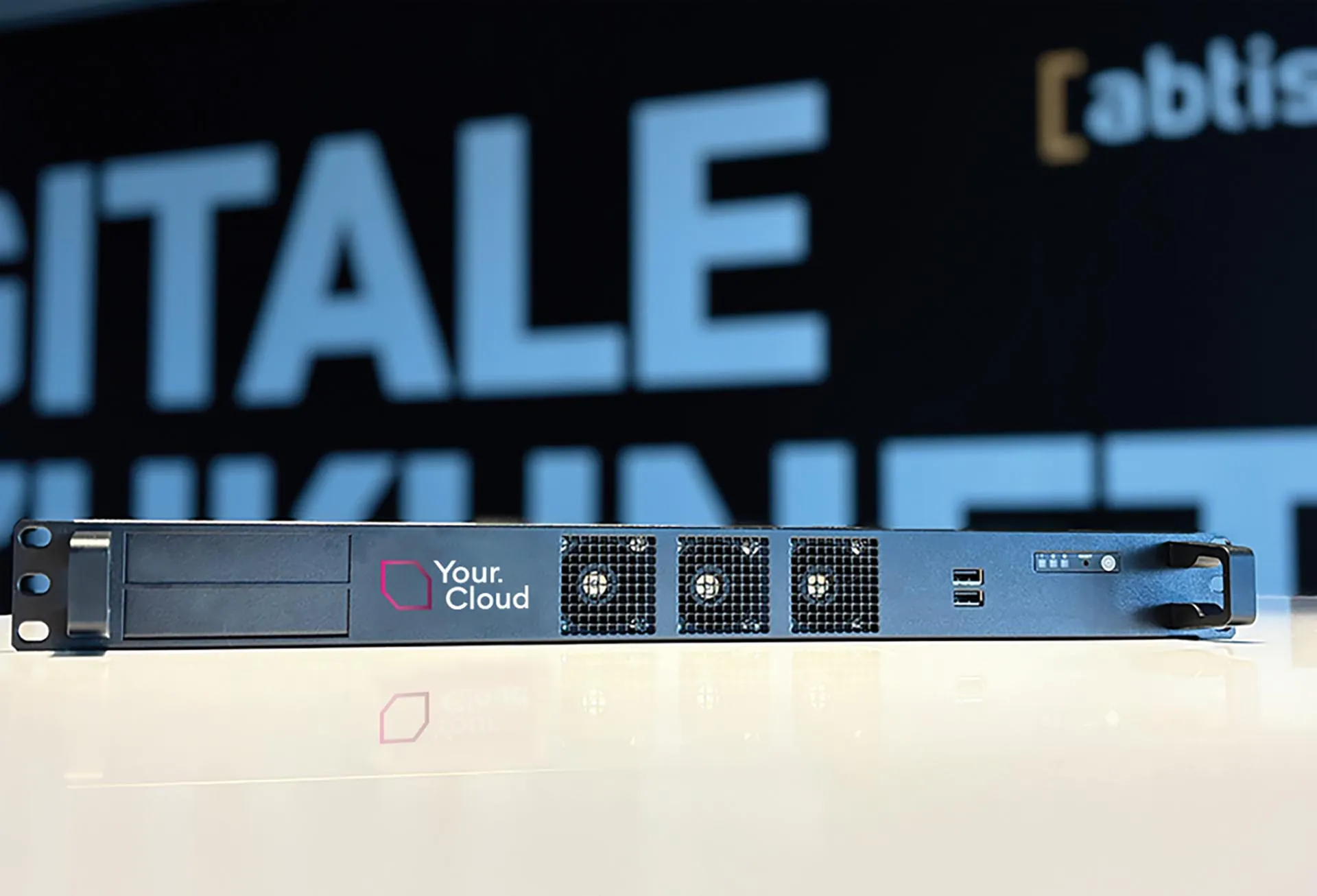
At ScalityDay 2026 in Paris on October 8, Pyramid presented its new reference platform for video AI in retail. On stage in front of a large audience were our CEO, Peter Trosien, and our Director of Sales & Marketing, Ralf Steinemann. Built on a hardware foundation of servers from Pyramid Computer , the solution combines intelligent camera technology with Video Search and Summarization (VSS) and Scality ARTESCA as the local storage platform.
VSS uses artificial intelligence to automatically analyze large amounts of video footage: events, objects, or actions can be specifically identified, and relevant video content can be summarized without having to manually search through the recordings. The recordings are processed using the standardized
Stored via the S3 interface in Scality ARTESCA. This allows software providers to leverage an established storage connection without having to develop their own proprietary integrations. ARTESCA can be flexibly adapted to growing data volumes and supports, among other things, data integrity, encryption, and defined retention policies. The original recordings are preserved and can be used to track events or analyze past incidents in detail. The data remains under the retailer’s control and does not need to be transferred to an external cloud for processing.
During the session, Peter and Ralf (pictured with a camera module) explained how cameras, AI computing, and storage come together to create a scalable infrastructure for retail applications—such as detecting empty shelf spaces, analyzing customer flow, or supporting self-checkout processes. ScalityDay, held in the 3 Mazarium at the Institut de France, provided the perfect setting for this: an audience of industry professionals, technology partners, and plenty of discussions about AI, data infrastructure, and digital sovereignty.
The fact that both the GPU systems for Video Search and Summarization (VSS) and the storage servers for Scality ARTESCA are developed and manufactured in Germany by Pyramid strengthens the technological and digital sovereignty of the overall solution. This provides operators with an infrastructure featuring short delivery and support channels, clear lines of responsibility, and a high degree of control over key components. Especially for applications where data is intentionally not to be outsourced to external cloud environments, the hardware from Germany consistently complements the approach of a locally operated and controllable video AI platform.
The underlying architecture can be used across industries for video AI applications. In logistics centers, for example, it can analyze the movement of goods, loading zones, or defined process areas; in production, it can specifically identify deviations. At airports, train stations, event venues, or other high-traffic facilities, video AI can also help track the flow of people and monitor lines, or quickly locate relevant events in extensive recordings.
The basic principle remains the same: Video data is processed locally, stored via a scalable storage infrastructure, and remains under the control of the respective operator.